
HIROSHIGE Woodblock X Photo along the Fifty-three Stations on the Tōkaidō
Overview
Utagawa Hiroshige’s Fifty-three Stations on the Tōkaidō, the version published by the Hoeidō, takes the viewers on a journey from Nihonbashi in Edo (Tokyo) to Kyoto, depicting the views along the route against varying backgrounds in terms of the seasons, weather conditions, time of day, and other natural phenomena. This series of woodblock prints had a resounding success in the early 19th century, backed by the then growing enthusiasm for traveling.
The entire series of 55 prints are presented in the exhibition, some of it is contrasted against photographic images of the same locations, offering an added vantage point to appreciate the journey through the Tōkaidō highway.
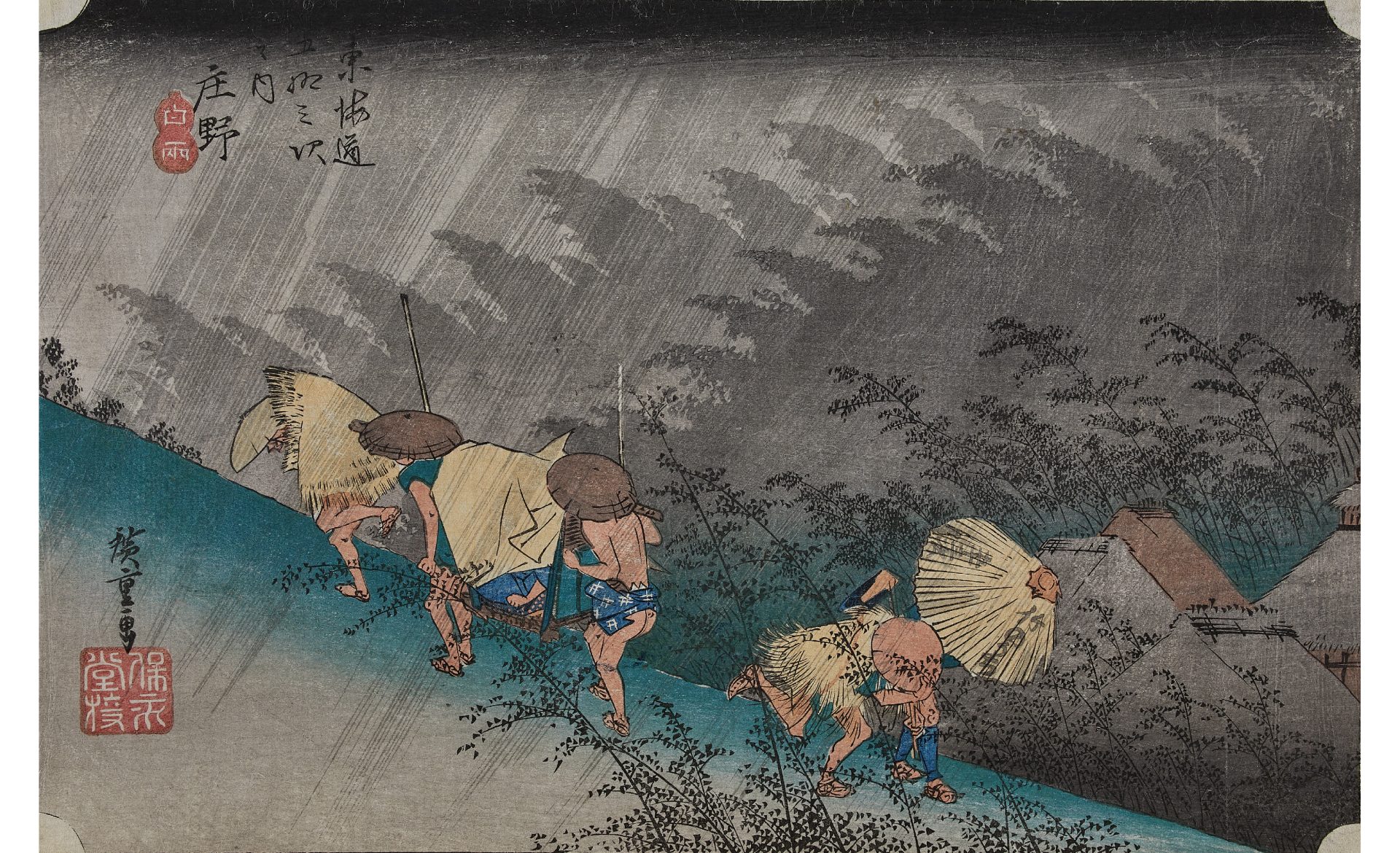
People rushing to find a shelter under the sudden downpour in SHŌNO: DOWNPOUR, a total silence and stillness of a snow-covered landscape in KANBARA: SNOWY NIGHT… The images that sparked the imagination for traveling among the public never cease to fascinate people even today.
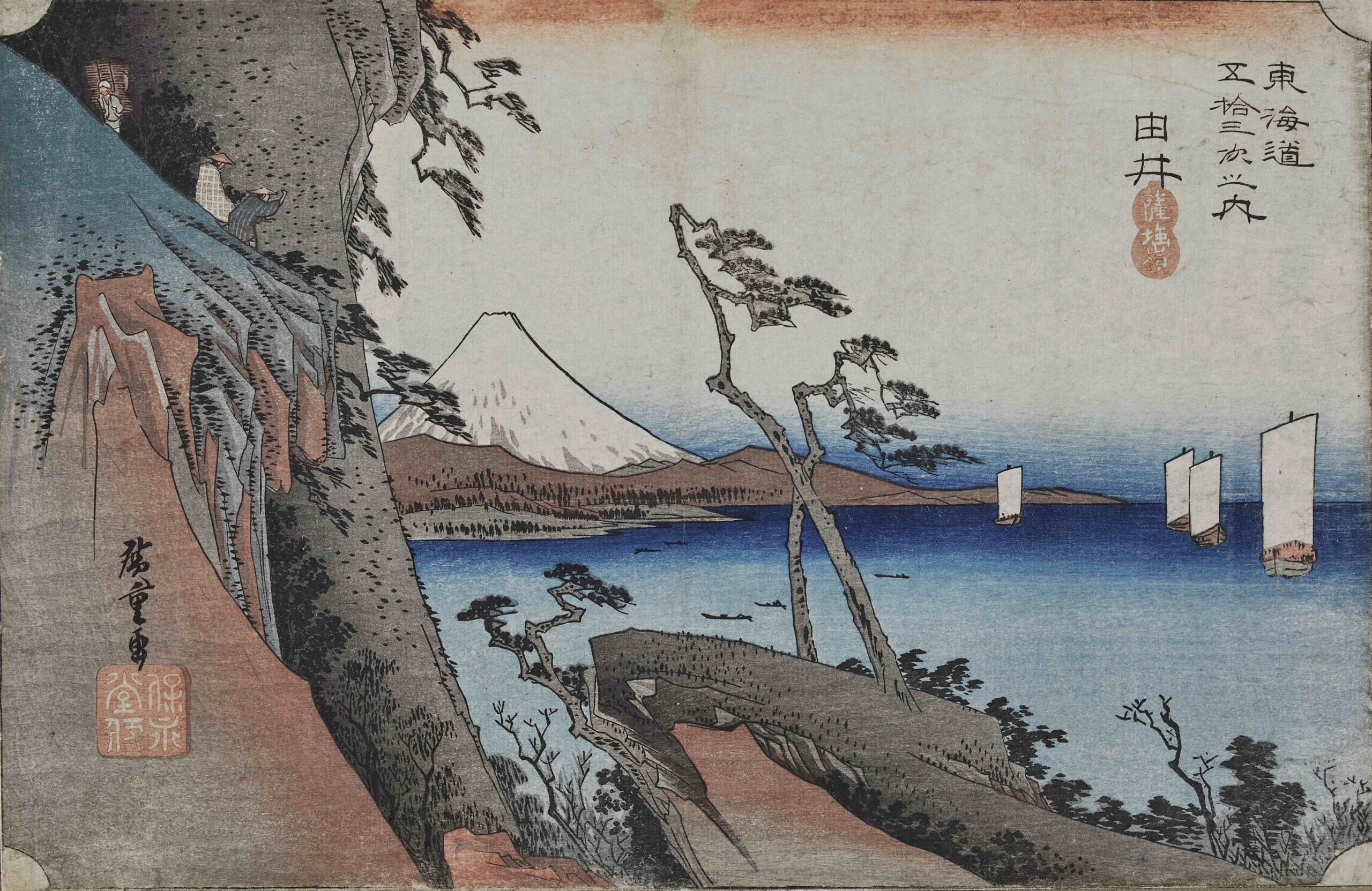
YUI: SATTA PEAK
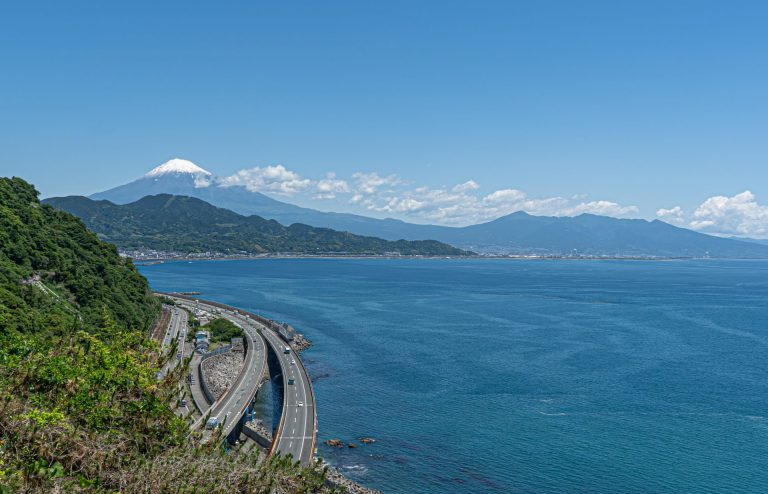
A view in Yui today
Summary
Embark on a journey from the Nihonbashi bridge in Edo to the heart of Kyoto. This exhibition showcases the complete set of 55 prints, capturing every post station along the historic Tōkaidō highway. You will find Hiroshige’s ingenious expressions in different settings, be it time of day, weather conditions, seasons, or other elements.
2. Immersive viewing
High-resolution digital representation, 150M pixel to be precise, of the artworks are projected on a giant screen, taking the visitors inside the depicted scenes.
3. Trace Hiroshige’s journey in photographs
The Museum’s digital content production team revisited the locations in the Edo-period portrayal. Enjoy the museum’s original take on the Tōkaidō highway, encompassing the deep bosom of nature and urban built environment.
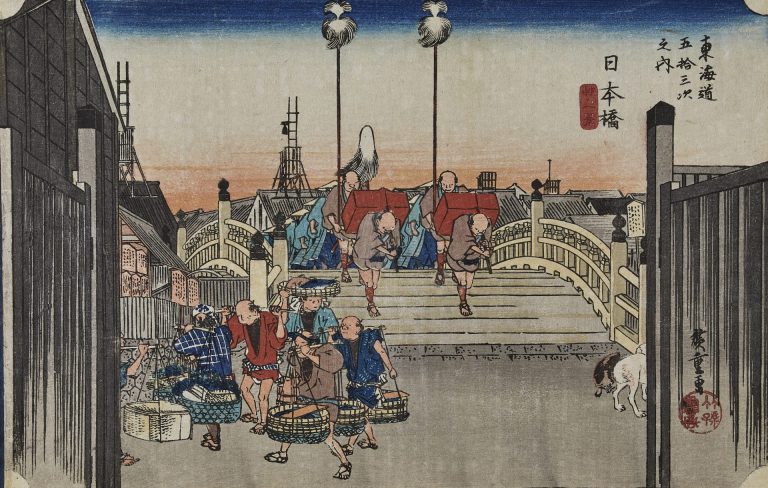
NIHONBASHI: MORNING SCENE
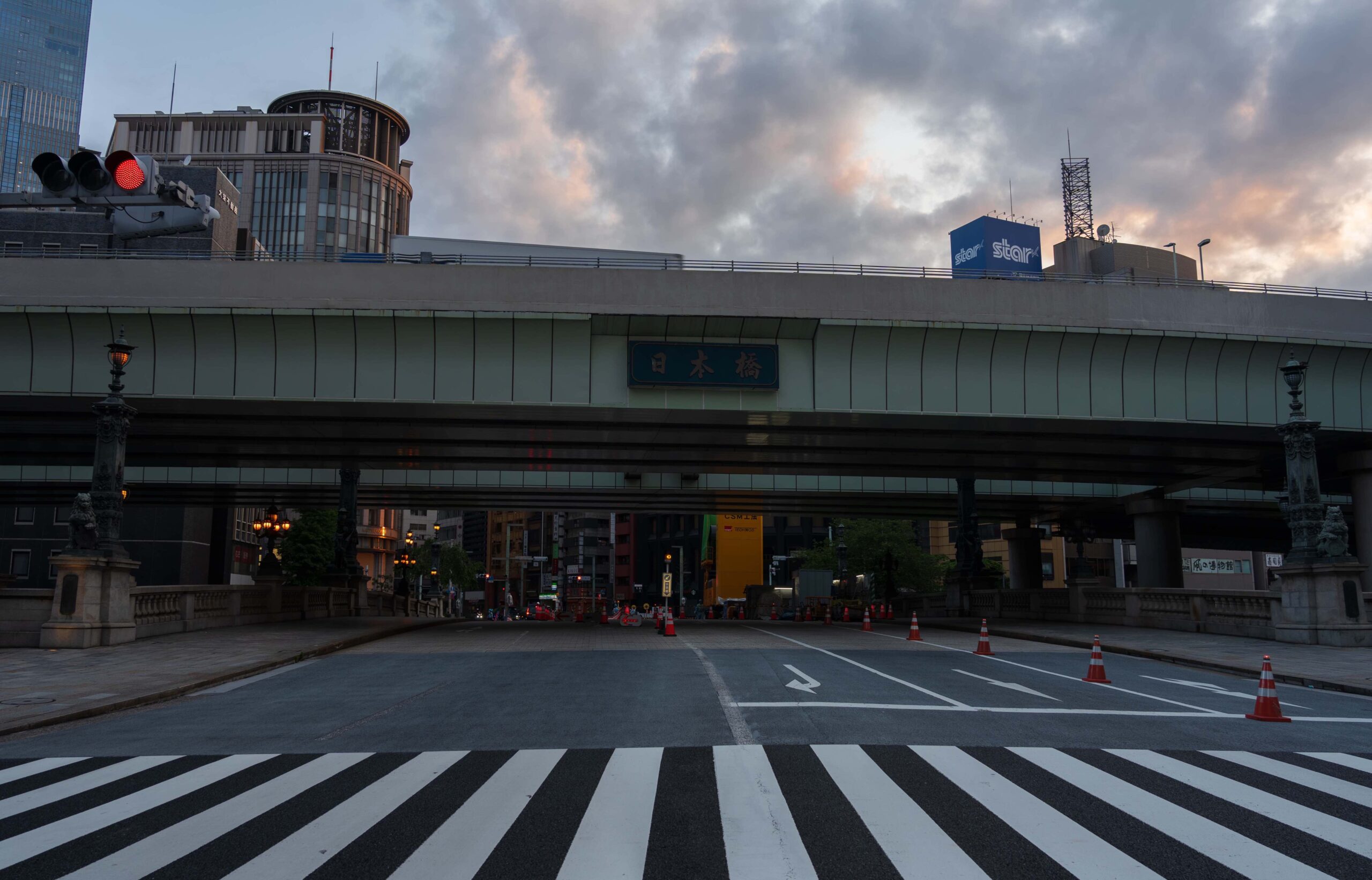
The Nihonbashi bridge today

HIRATSUKA: NAWATE ROAD
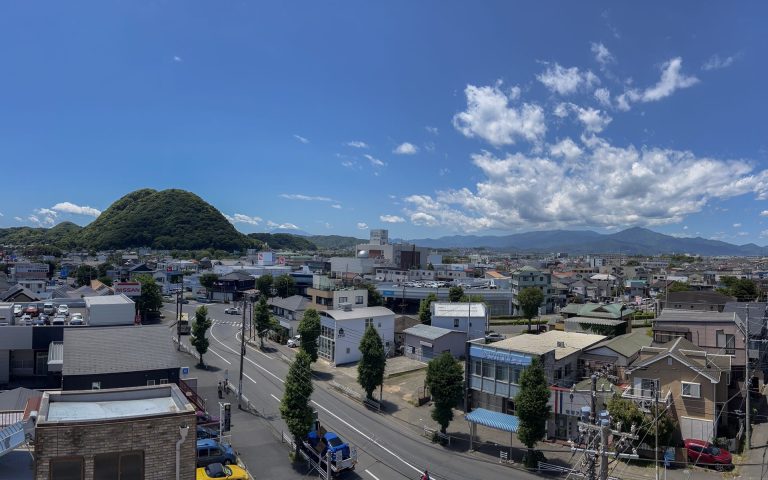
A view in Hiratsuka today
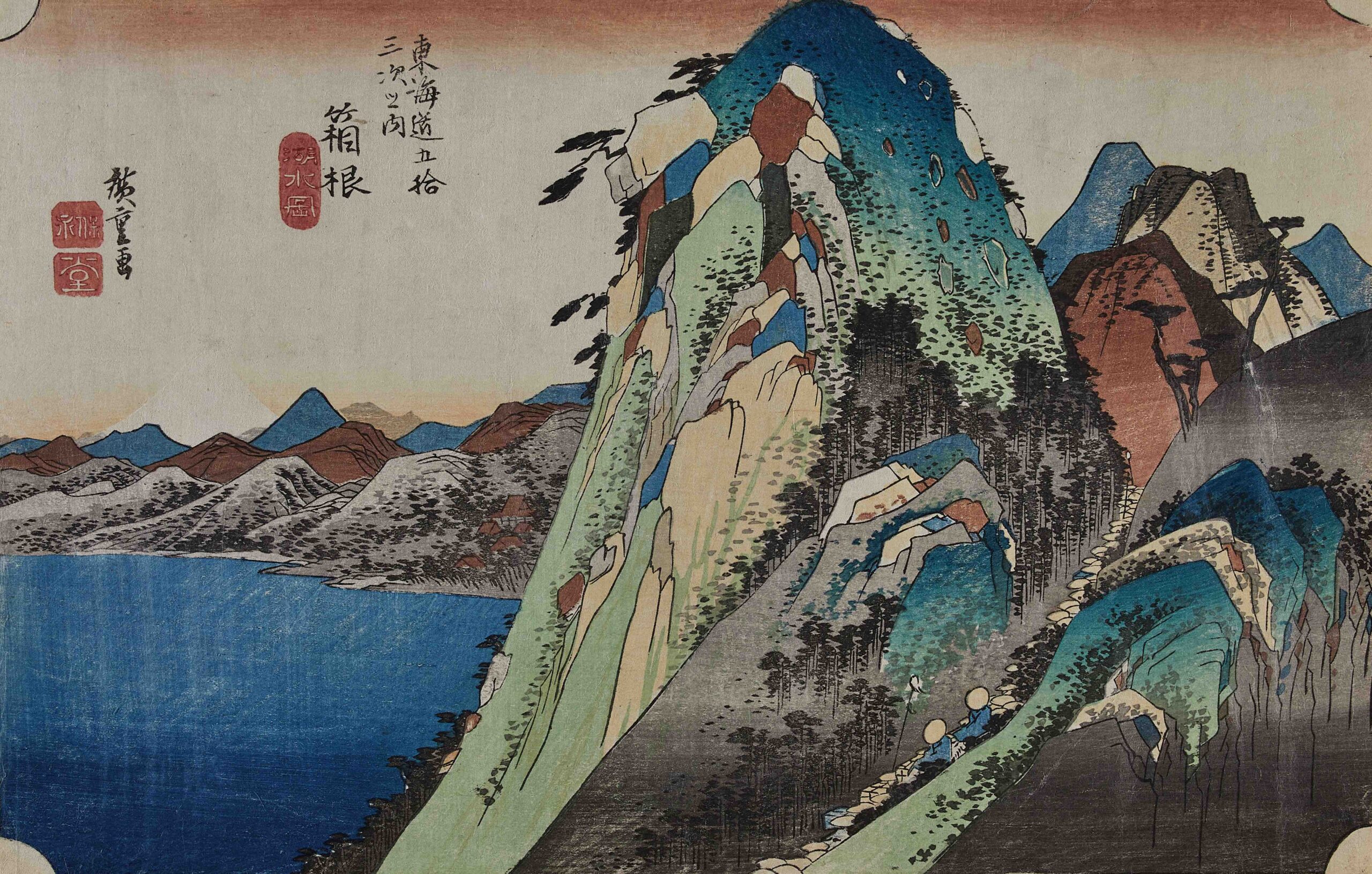
HAKONE: VIEW OF THE LAKE
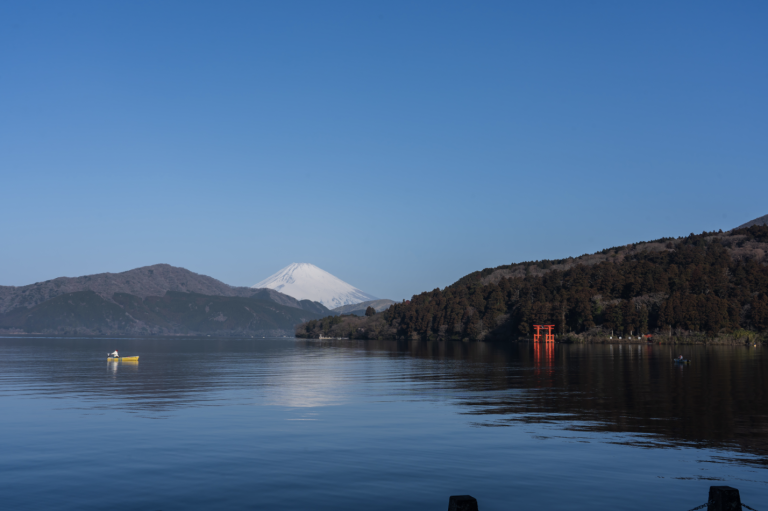
A view in Hakone today
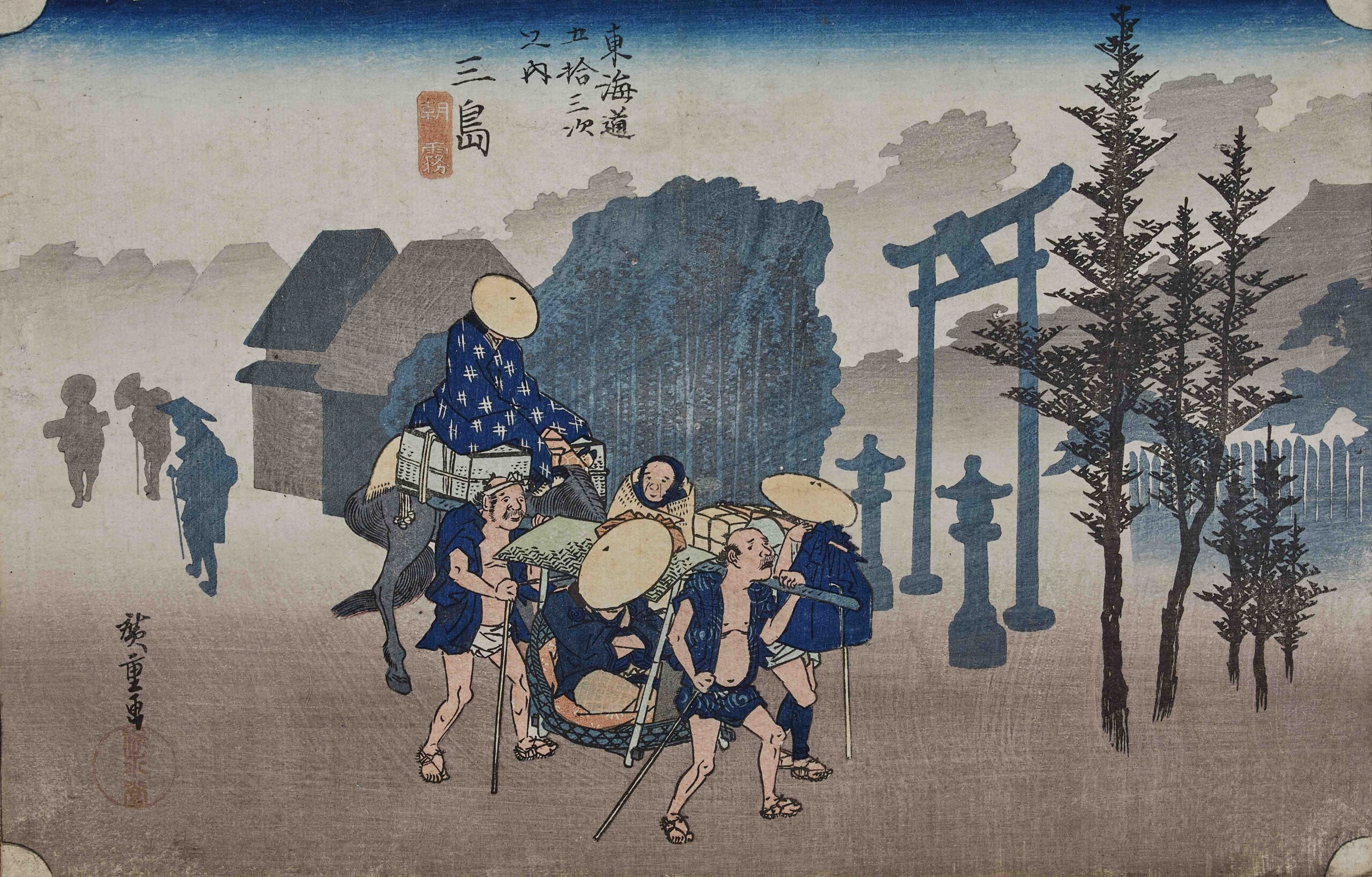
MISHIMA: MORNING MIST
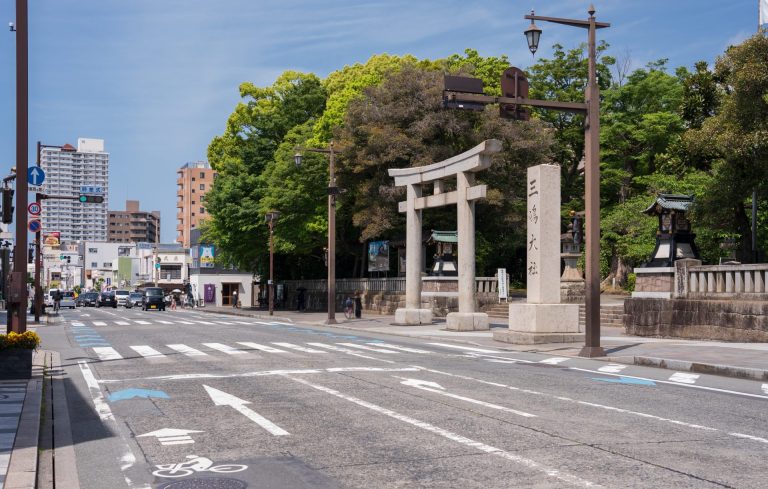
A view in Mishima today
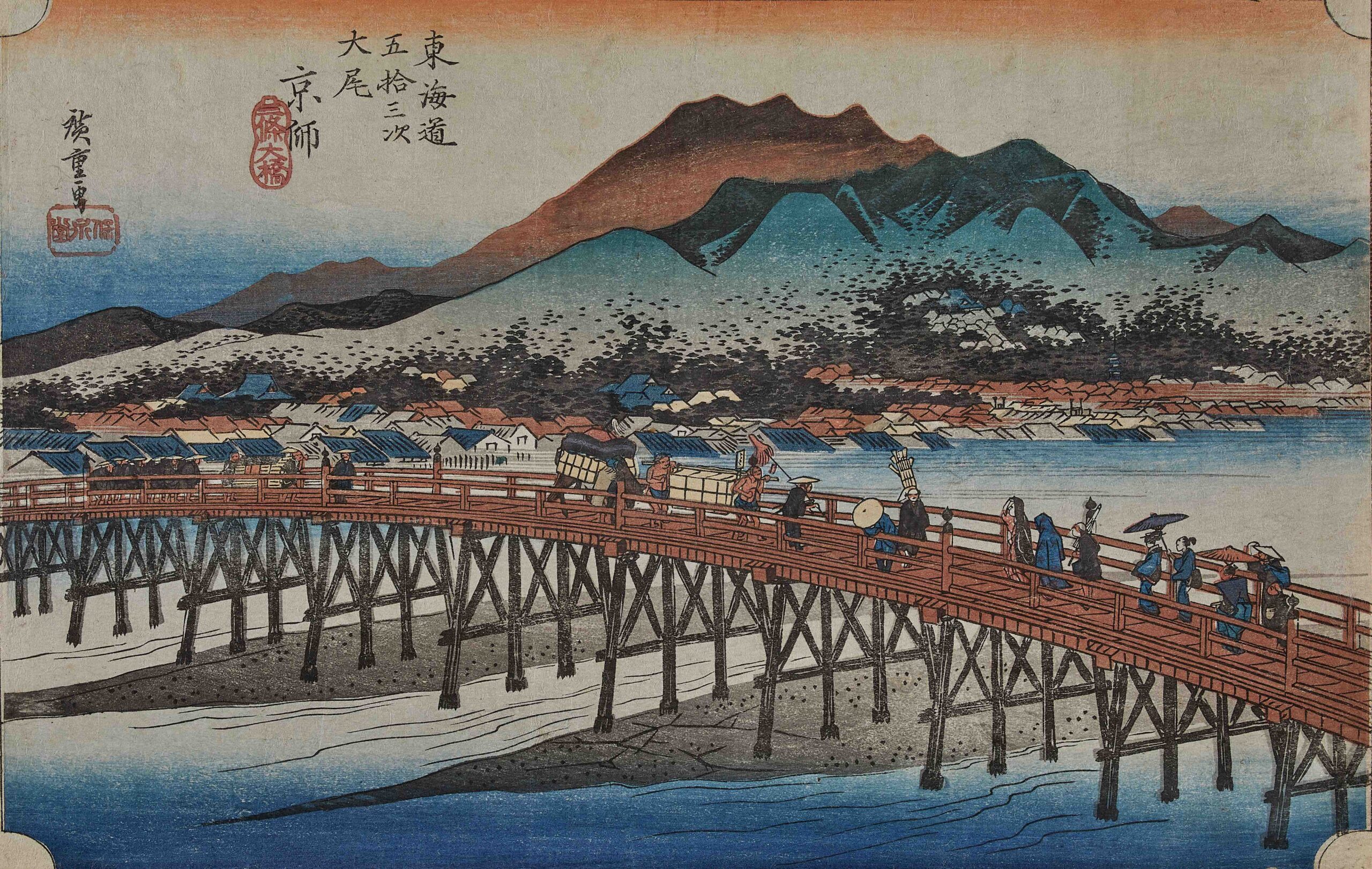
KYOTO: GRAND BRIDGE OF SANJŌ
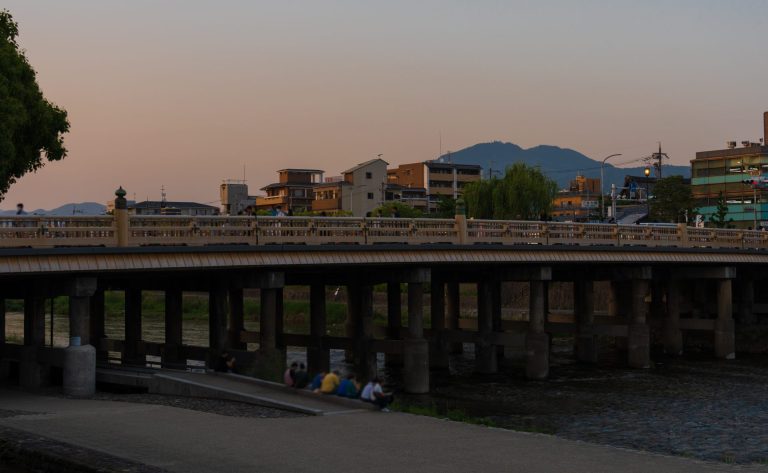
A view in Kyoto today
The Hoeidō edition of the Fifty-three Stations on the Tōkaidō
Utagawa Hiroshige
Highlights
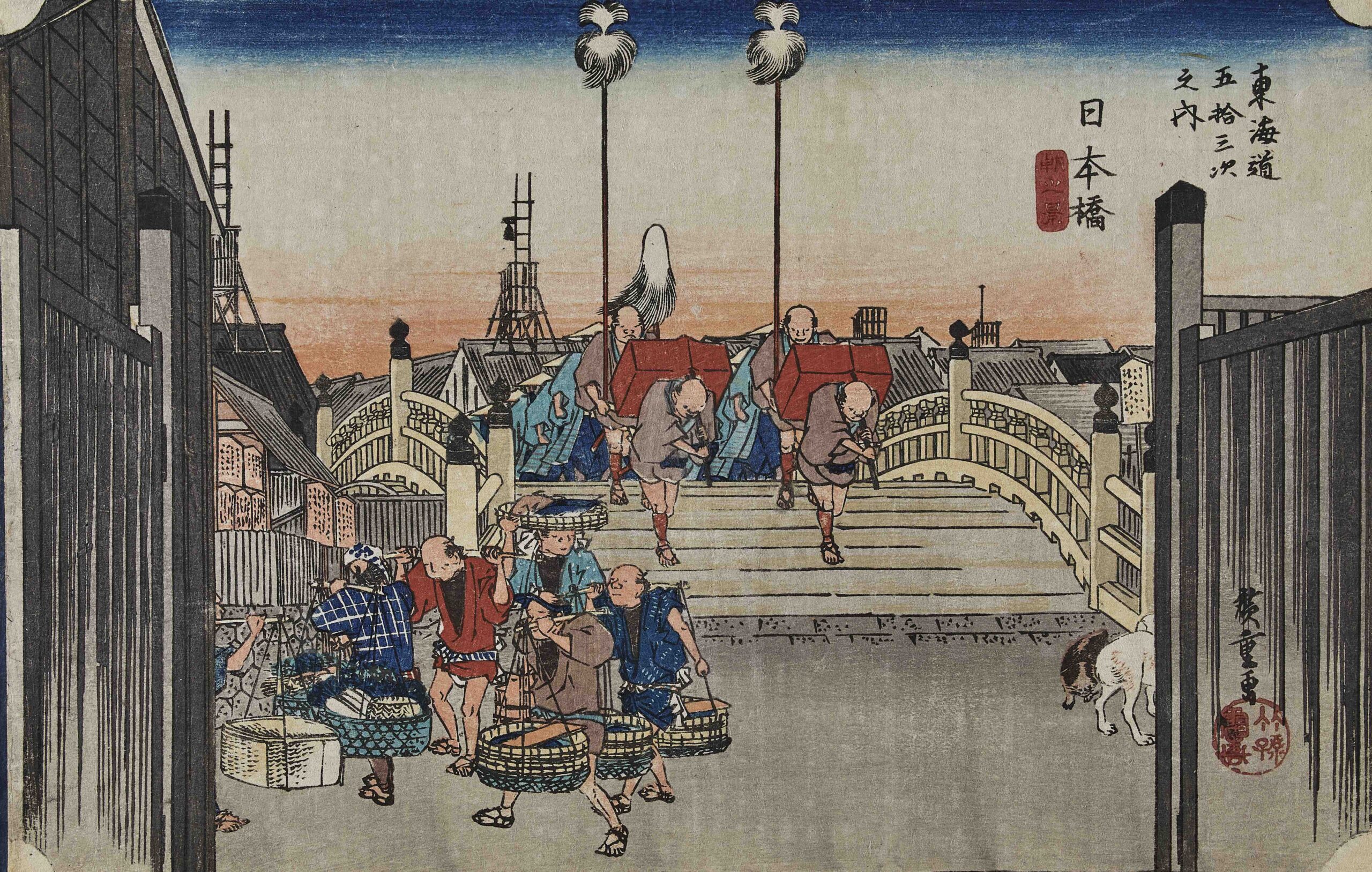
NIHONBASHI: MORNING SCENE
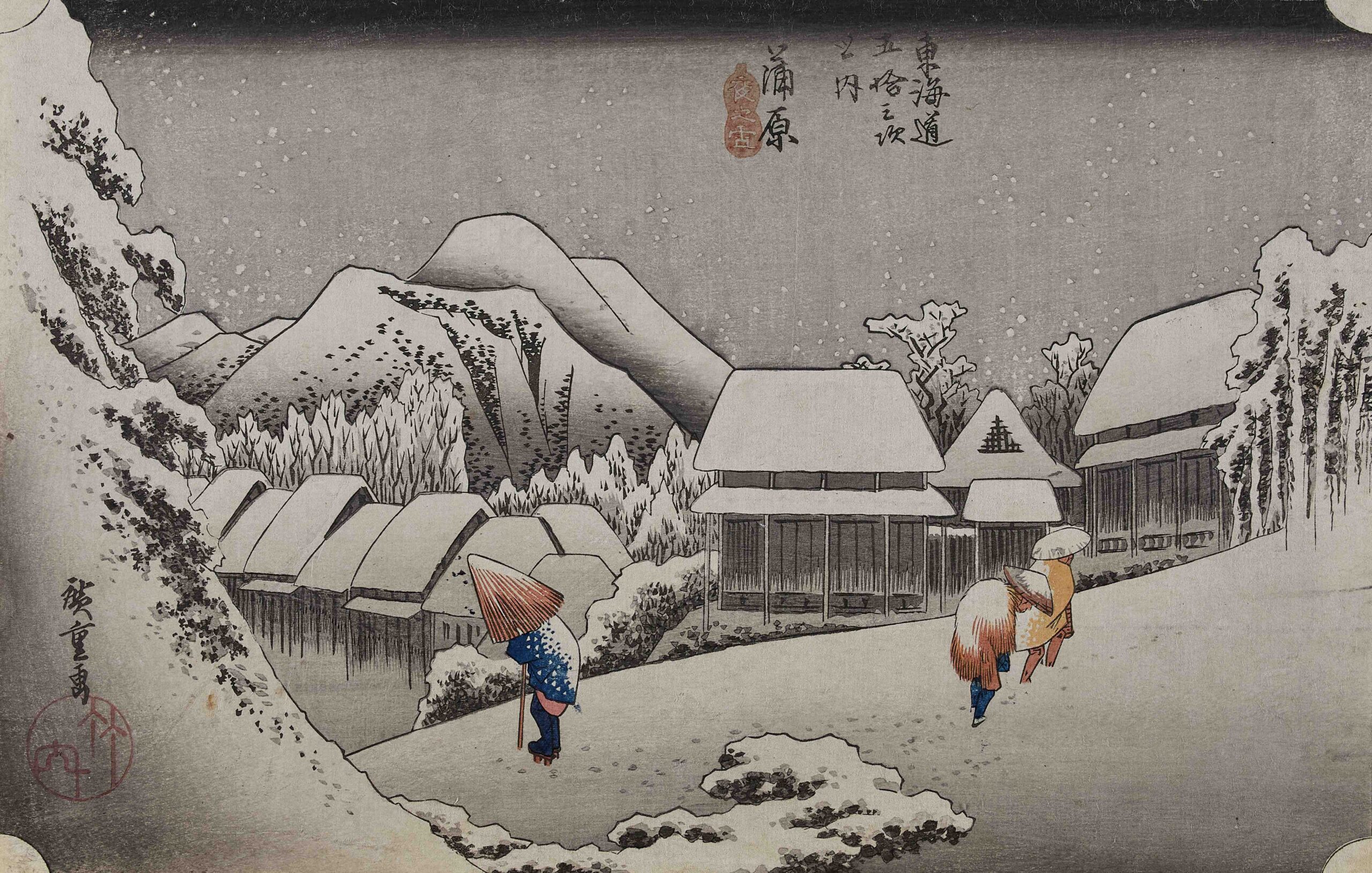
KANBARA: SNOWY NIGHT
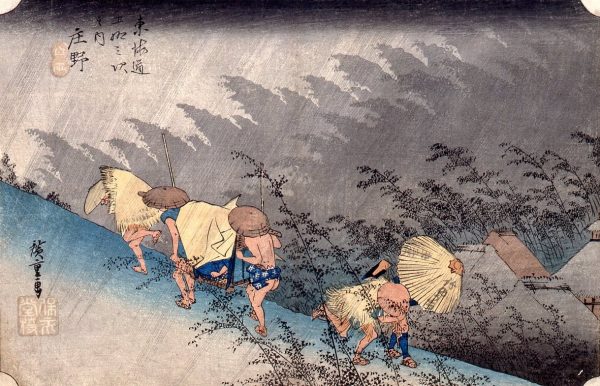
SHŌNO: DOWNPOUR
HAKONE: VIEW OF THE LAKE
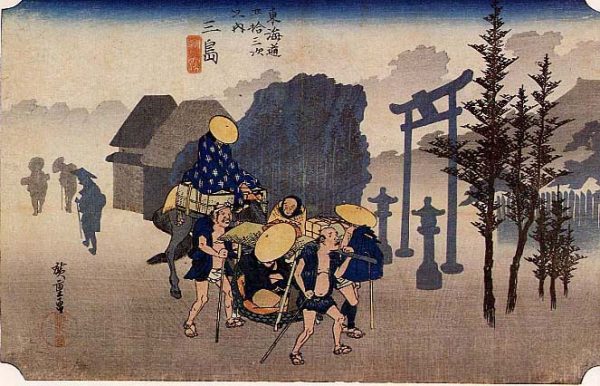
MISHIMA: MORNING MIST
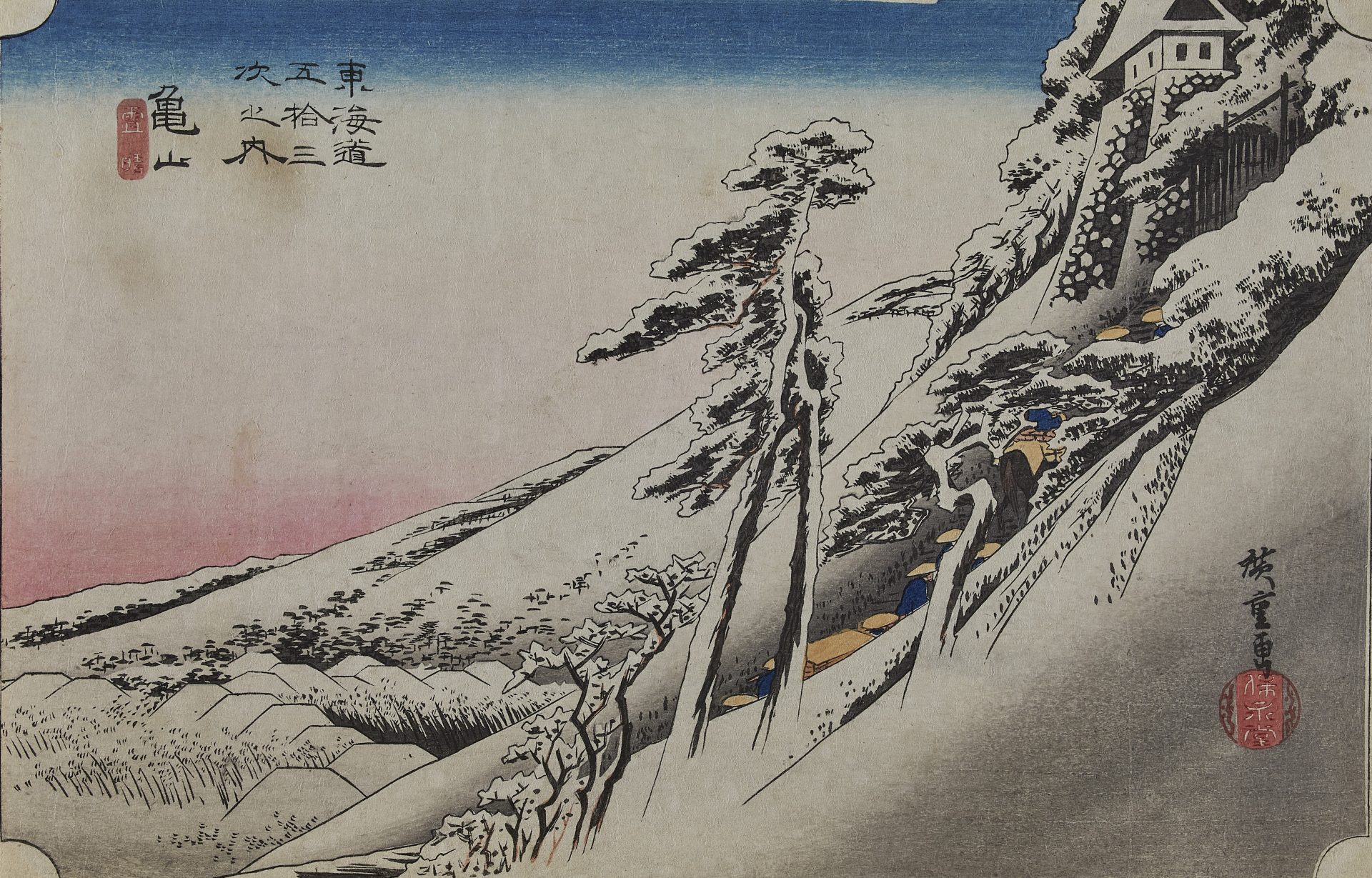
KAMEYAMA: CLEAR WEATHER AFTER SNOW