National Treasure of Japan
The Red and White Plum Blossoms
Overview
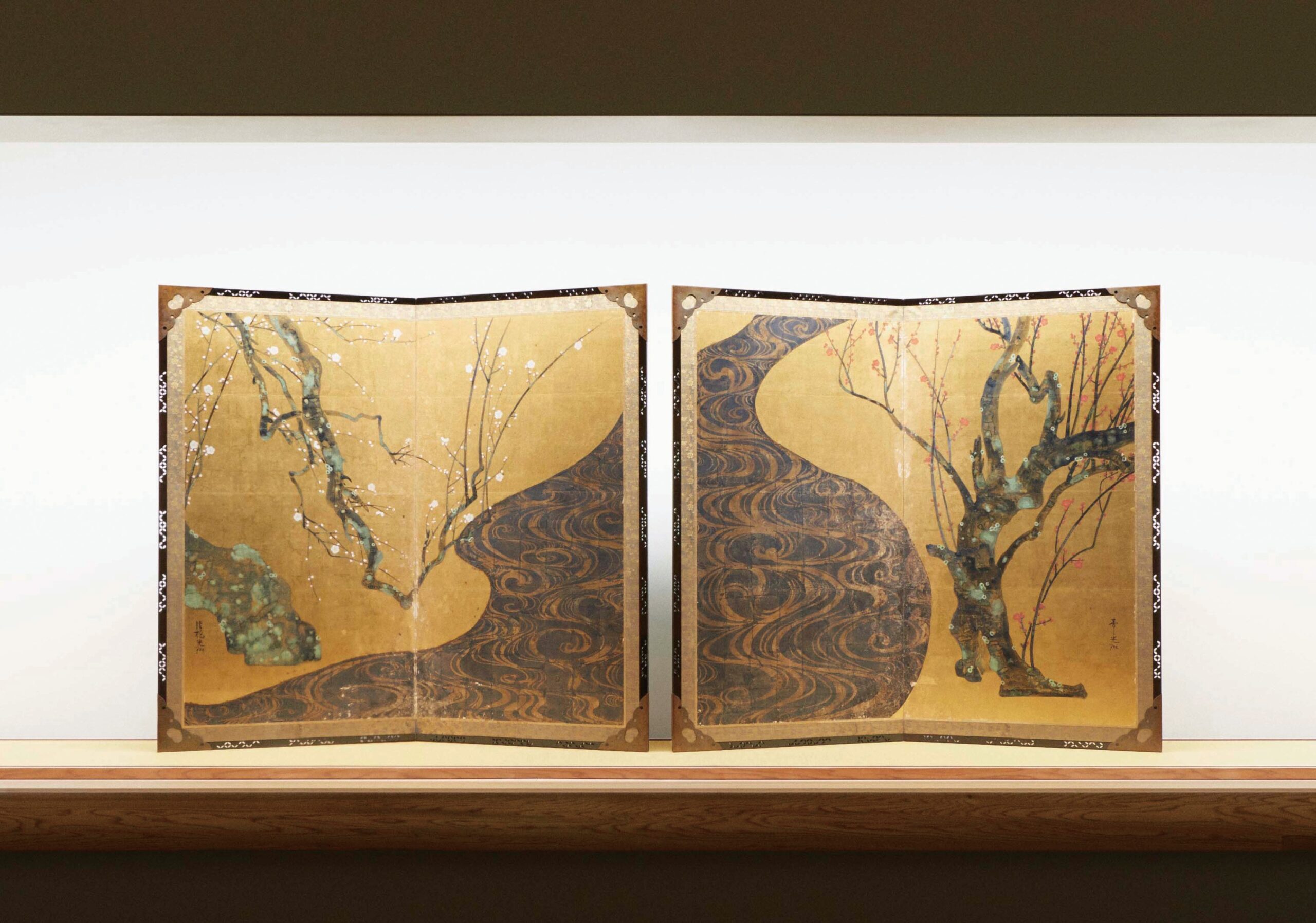
MOA Museum of Art presents the three National Treasures from its collection in this periodical exhibition. The Museum’s art collection was developed by the founder Okada Mokichi (1882–1955). It mainly consists of articles of Oriental art from Japan, China and other countries in Asia. The collection holds many outstanding artworks of historical significance as well as of aesthetic excellence, encompassing a wide range of articles from paintings, calligraphic works, and sculptures to works of kōgei and beyond.
The curation includes the Red and White Plum Blossoms by Ogata Kōrin, the Tea-leaf Jar with design of Wisteria by the legendary Kyoto ware potter Nonomura Ninsei, and the Tekagami Kanbokujo, one of Japan’s three best known calligraphic albums, together with a selection of masterpieces of various arts. The plum orchard located adjacent to the museum will also be at its best.
Highlights
View all three National Treasures
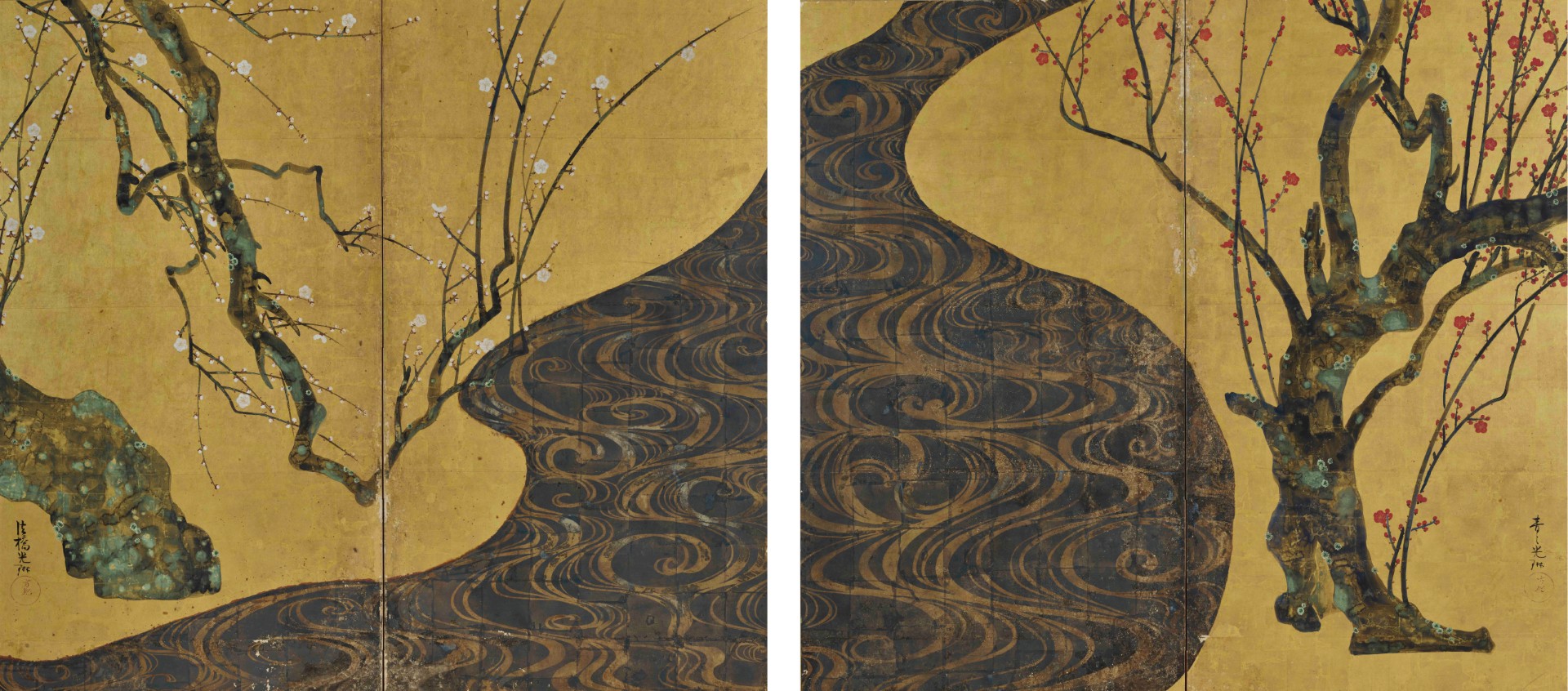
The Red and White Plum Blossoms (National Treasure), Ogata Kōrin, 18th century, Edo period
The Red and White Plum Blossoms National Treasure
Ogata Kōrin, Edo period , 18th century
Many believe that Ogata Kōrin took inspiration from the work of Tawaraya Sōtatsu, the creator of the famous Wind God and Thunder God folding screens, as Kōrin developed his original style of painting. Some point at the choice of plum trees and flowing water, and the composition of contrasting motifs over two sets of folding screens, as signs of the influence of Sōtatsu’s originality. The screens are embellished with features attributed to Kōrin’s creativity, from his namesake plum flowers drawn without outlines and the unique layout of buds to the mossy tree trunks rendered using the tarashikomi technique (by smudging wet ink) and the unique pattern of the water current.
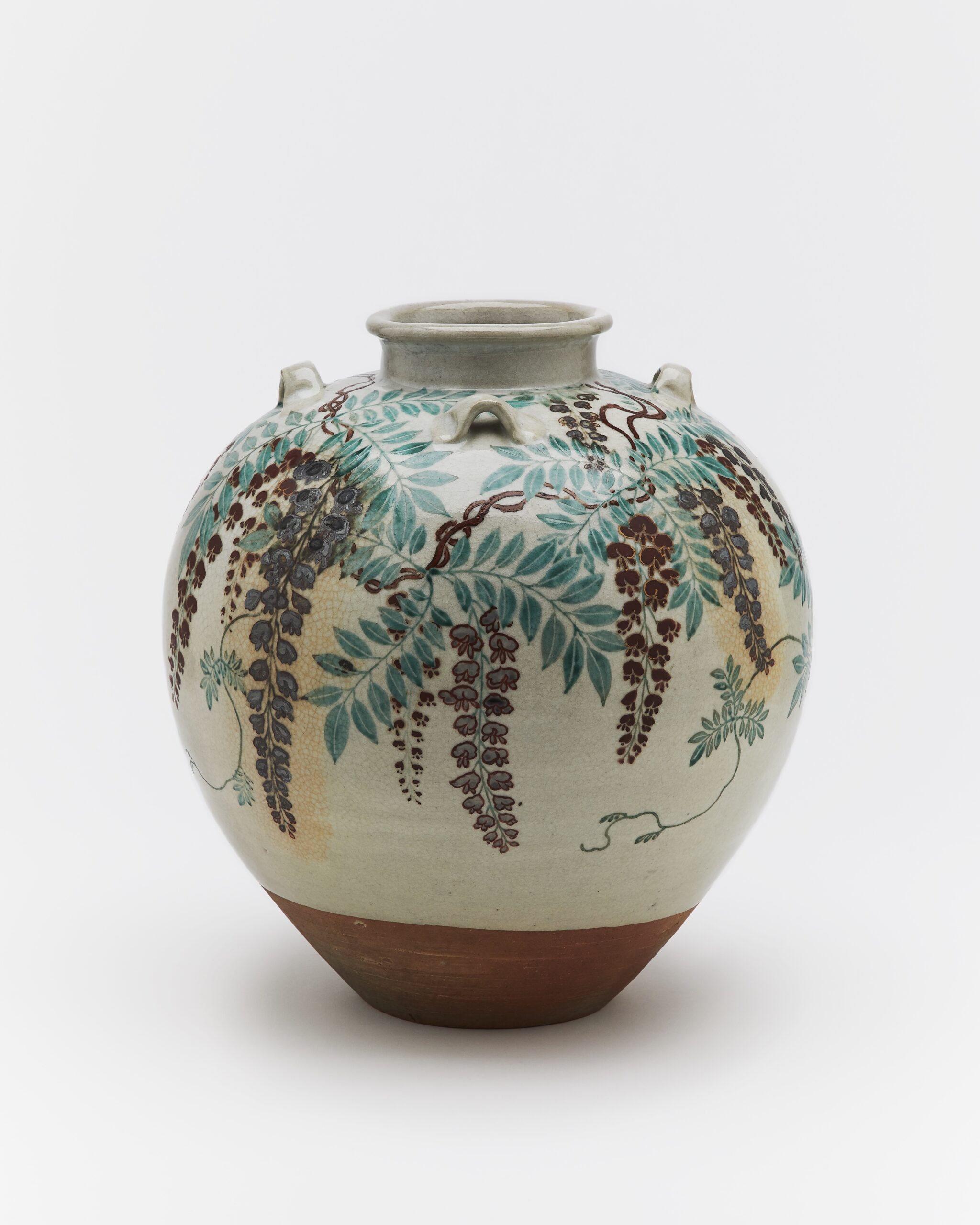
Tea-leaf Jar with design of Wisteria National Treasure
Nonomura Ninsei, Edo period, 17th century
The overglazed tea leaf jar is one of the most well-known works of Nonomura Ninsei, the original master of Kyoto ware. This masterpiece embodies the refined aesthetic culture of the 18th-century Kyoto. The wisteria flowers are ingeniously distributed over the body. The mesmerizing details of the design, including the flowers that bear tints of red, purple, gold, and silver, strikes a perfect balance with the exquisitely shaped vessel.
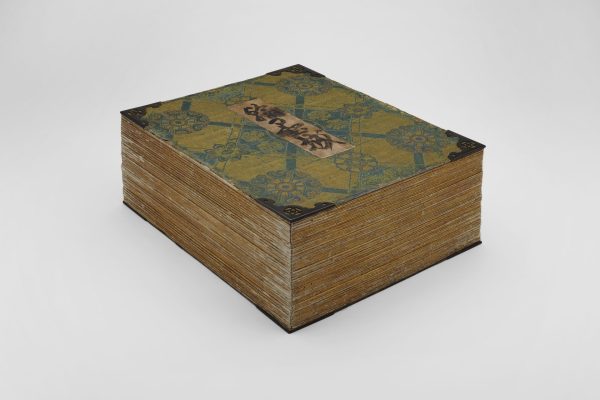
Tekagami Kanbokujō National Treasure
Nara–Muromachi periods, 8th–15th century
Three hundred and eleven fragments of classical calligraphic works are compiled between the thick covers, ranging from Emperors’ letters to scripts by prominent calligraphers. The period of the creation of these calligraphic works stretches over 700 years. The title on the cover is attributed to the Edo-period calligrapher Karasumaru Mitsuhiro (1579–1638). Records show that the album was held by Kohitsu Ryōchū (1820–1891), who used it as a reference for appraisal of classical calligraphic work. Later, it was acquired by Japanese art collector Masuda Donnou (1847–1938).
Chapters
Japanese style in calligraphy and makie designs
Pick-ups
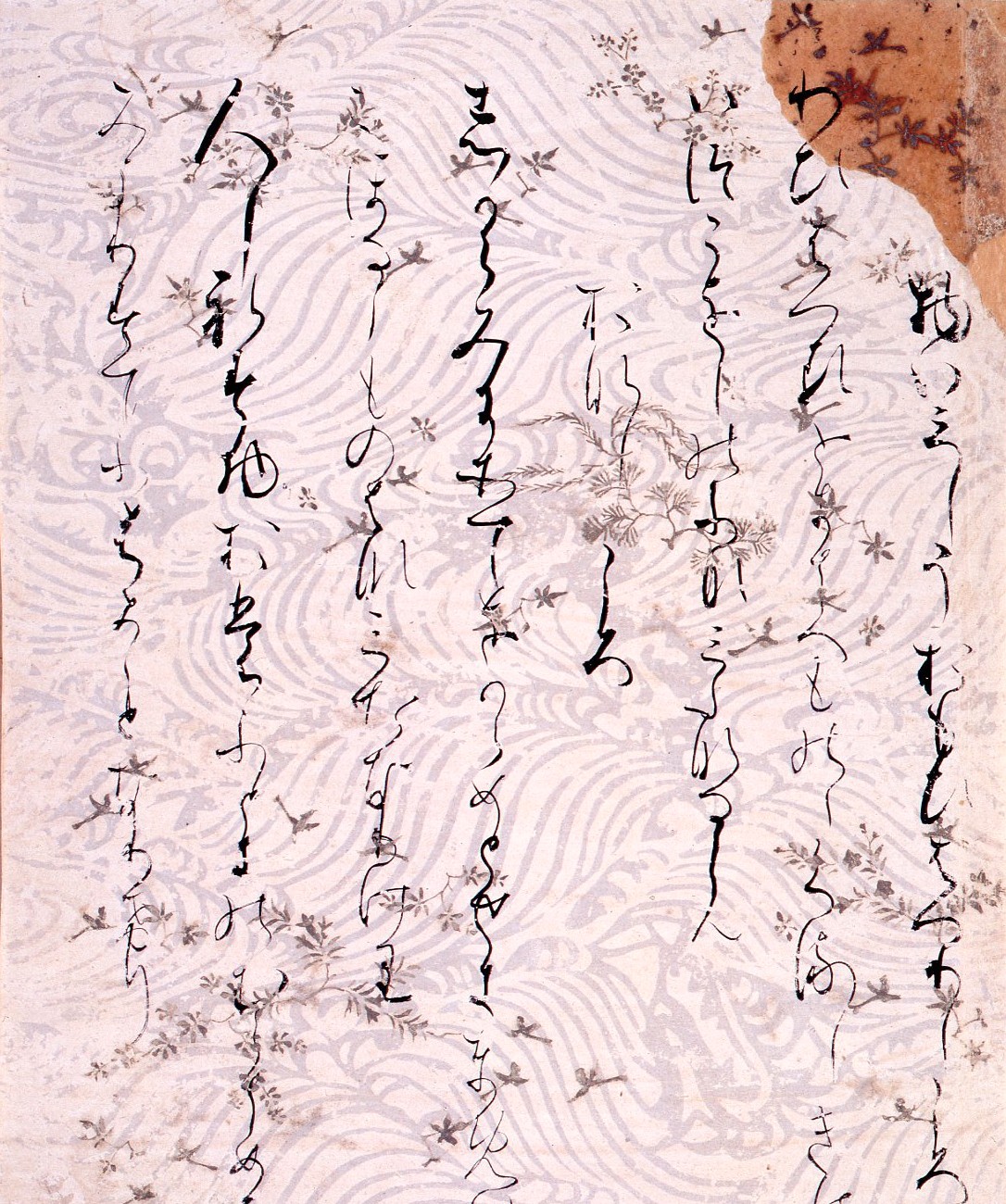
This fragment was once part of the Iseshū, a collection comprising thirty-six anthologies. This classical work shows dynamic and rhythmical brushwork. The paper bears wave patterns with motifs of butterflies, birds, and plants. The curved seam to the right demonstrates the highest techniques of decorative paper production.
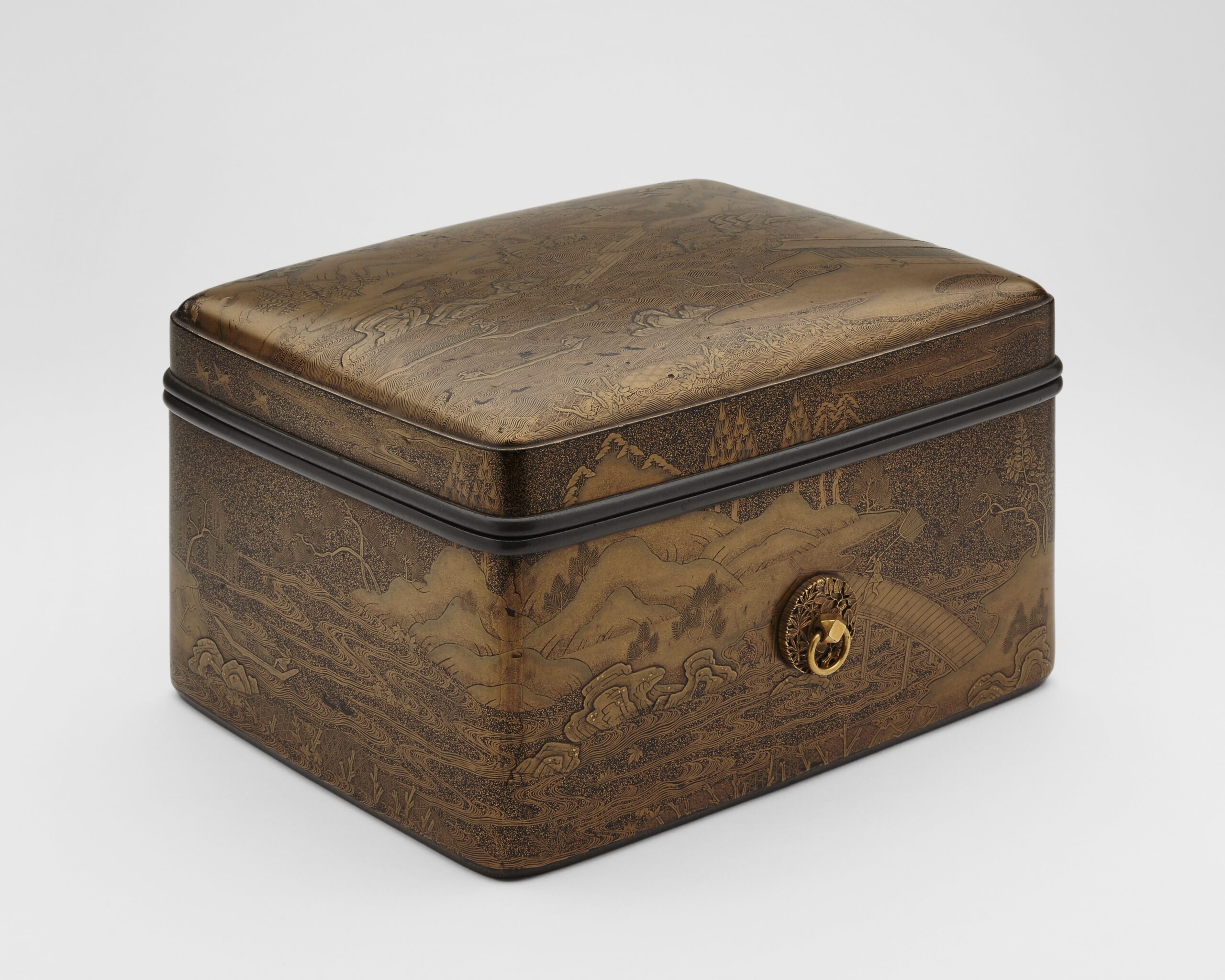
Kamakura period, 14th century
This 700-year-old large-size box is decorated using several makie techniques such as nashiji (sprinkled fine gold powder), takamakie (high relief), and togidashi (polishing). The traditional design motifs include trees on mounds and birds, together with famous landscapes, covering every surface. Some designs depict the lives of people, such as fishermen throwing their nets and farmers carrying sacks of rice on the backs of oxen.

Japanese paintings
Pick-ups
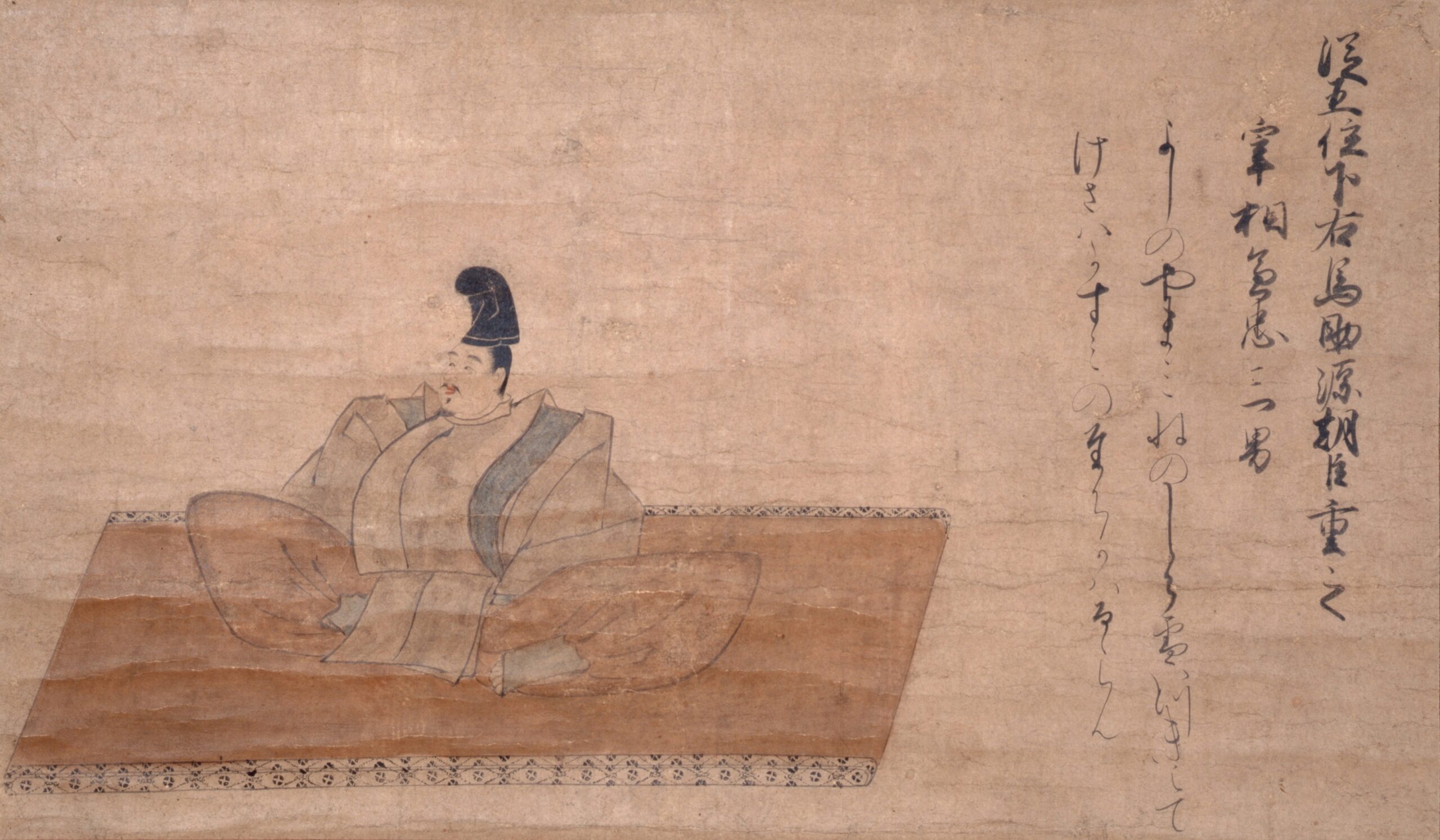
Kamakura period, 13th century
This is a fragment taken from an illustrated scroll, depicting the thirty-six poets representing the Heian period, together with their famous poems. This version is known as Agedatami, with reference to the tatami mat which symbolized a seat for the nobles. This portrait is believed to be work of skilled nise-e artist of the Kamakura period, one of the oldest extant portraits of this genre.
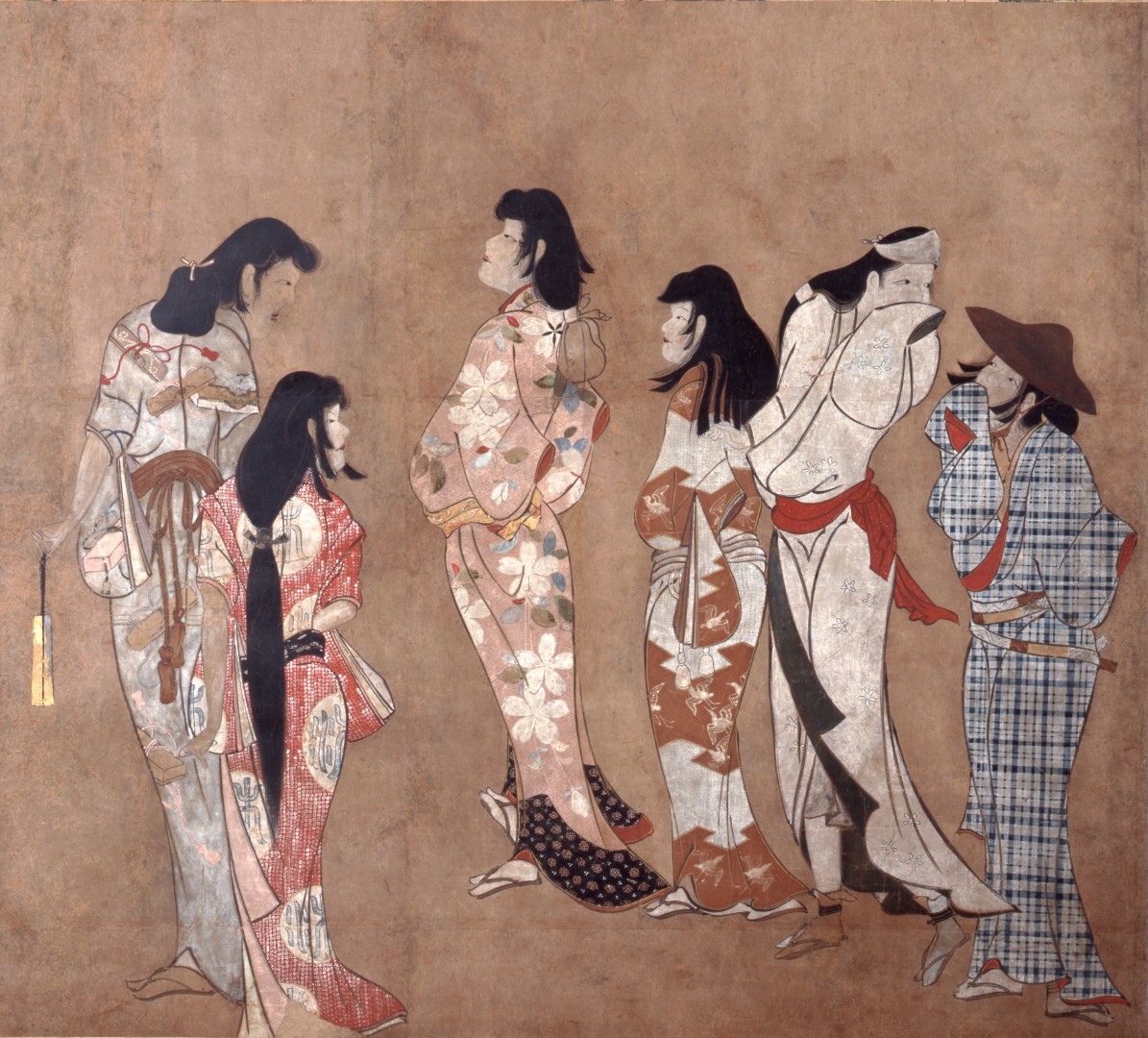
Edo period, 17th century
The six figures represent service personnel of a bathhouse, which came into fashion in Kyoto and Edo during the first half of the 17th century. The painting conjures up the culture surrounding these female workers of the time. Early-modern paintings often depict lives of ordinary people, changing the mainstream compositions from the collective to individual depiction of figures.
Buddhist art
Pick-ups

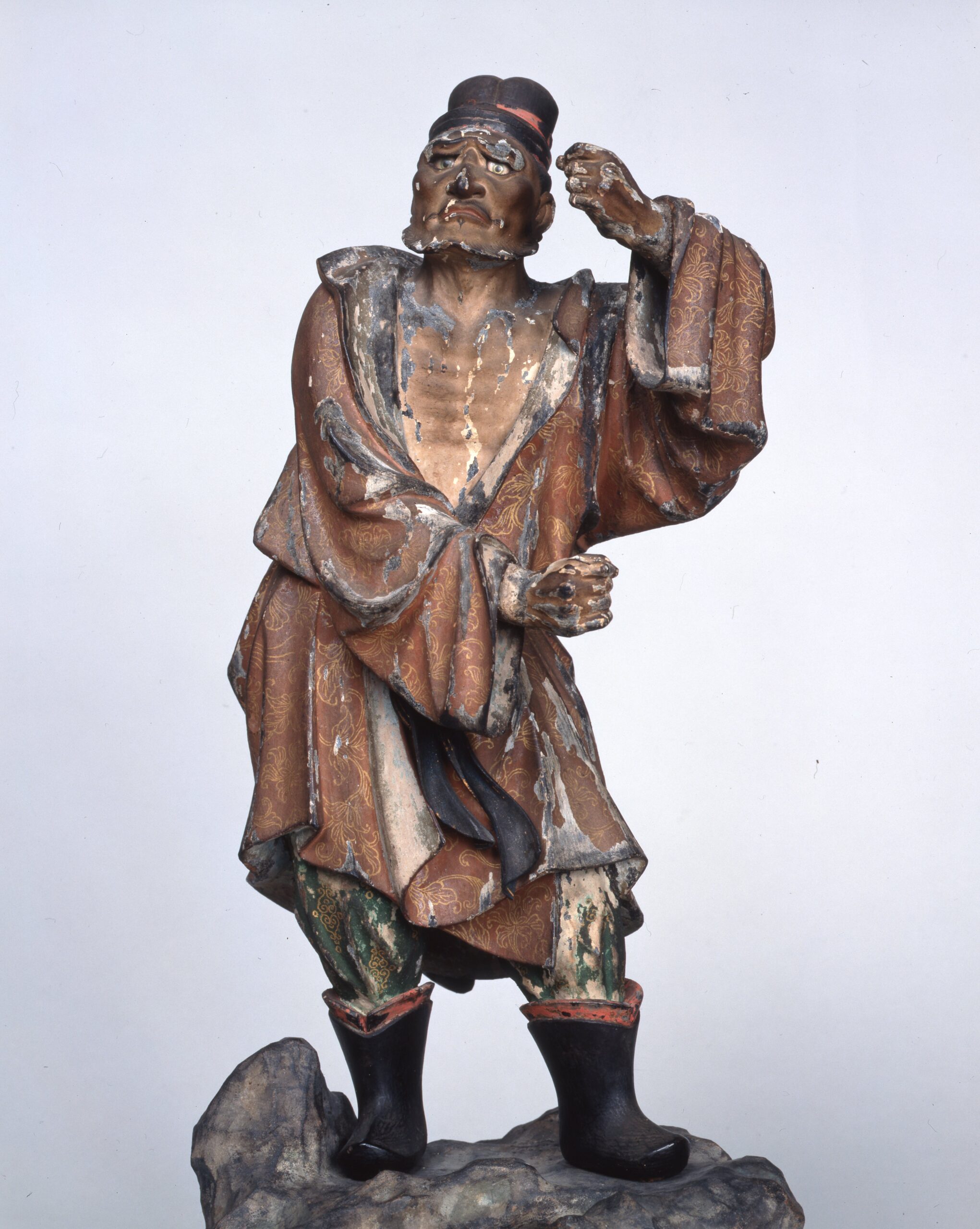
Early-modern art
Pick-ups